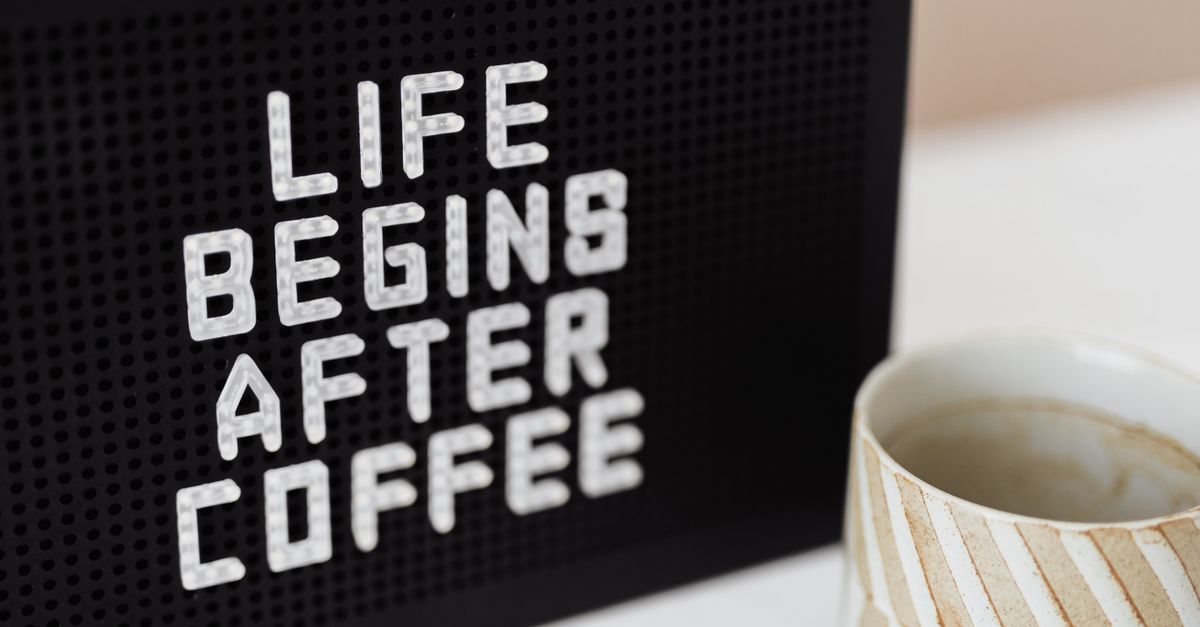
Are you stuck in that familiar cycle? You wake up groggy, reach for the coffee, feel a rush, then a crash, and by 3 PM you’re debating an IV drip of espresso. You tell yourself, “Tomorrow, I’m going to quit!” You make it a day, maybe two, feeling like a zombie with a headache that could rival a jackhammer, and then — poof — you’re back at the espresso machine, perhaps even drinking more than before. If this sounds like your perpetual struggle, you’re not alone. The common, cold-turkey caffeine detox is a recipe for failure, not freedom.
In my experience, most people approach a caffeine detox like a punishment, a grueling test of willpower destined to end in misery and a return to old habits. But what if I told you there’s a smarter, more sustainable way to reset your relationship with caffeine, regain natural energy, and actually stick with it? It’s not about sheer willpower; it’s about understanding the complex physiological and psychological grip caffeine has, and then systematically dismantling it.
The mistake I see most often isn’t a lack of desire, but a fundamental misunderstanding of how our bodies adapt to caffeine and how to gently guide them back to a baseline. What changed everything for me, and for countless clients I’ve guided through this process, was shifting the focus from ‘quitting’ to ‘resetting’ — and doing it with intention, strategy, and a deep respect for how your body truly works.
Key Takeaways
- Cold-turkey caffeine detoxes often fail because they ignore the body’s physiological dependence, leading to severe withdrawal and relapse.
- A gradual reduction strategy, paired with specific nutritional and lifestyle adjustments, is far more effective for sustainable energy reset.
- Focus on supporting your adrenal glands and natural energy pathways during the detox to mitigate withdrawal symptoms and prevent burnout.
- Implementing a ‘caffeine cycling’ approach post-detox can help maintain sensitivity and prevent future dependence.
The Cold-Turkey Myth: Why It’s a Recipe for Disaster
The idea of going cold turkey on caffeine is appealing in its simplicity: just stop. If only it were that easy. The reality is far more complex due to caffeine’s action on adenosine receptors in your brain. Adenosine is a neurotransmitter that promotes relaxation and sleepiness. Caffeine works by blocking these receptors, making you feel alert. Over time, your brain adapts by creating more adenosine receptors. When you suddenly remove caffeine, all those extra receptors are suddenly free to bind with adenosine, leading to an overwhelming surge of fatigue, irritability, and the infamous caffeine headache.
This isn’t a sign of weakness; it’s a perfectly normal physiological response. Expecting yourself to power through days of debilitating headaches, brain fog, and intense lethargy is setting yourself up for failure. Your body isn’t just missing a stimulant; it’s experiencing a profound imbalance in its neurochemistry. This acute discomfort often leads to a quick relapse, reinforcing the belief that you ‘can’t live without caffeine,’ when in reality, you just attempted a strategy that was destined to fail for most people. I’ve seen individuals give up after just 12 hours because the withdrawal was so intense it impacted their ability to work or care for their families. That’s not sustainable.
The Gradual Taper: Your Strategic Descent
The single most effective strategy for a successful caffeine detox is a gradual taper. This approach allows your body to slowly down-regulate those extra adenosine receptors, minimizing withdrawal symptoms and making the process far more manageable. Think of it like deflating a balloon slowly versus popping it. Your goal is to gently wean yourself off, giving your brain time to rebalance.
Here’s a practical breakdown of how to implement a successful taper:
- Map Your Current Intake: For 3-5 days, meticulously track every milligram of caffeine you consume. Don’t guess. A standard 8oz cup of brewed coffee can range from 95-200mg, a can of soda around 30-40mg, and energy drinks can be 100-300mg+. Be precise. This baseline is crucial.
- Establish Your Reduction Schedule: A common and effective strategy is to reduce your total daily caffeine intake by 10-25% every 3-5 days. For example, if you typically consume 400mg per day (roughly two large coffees), you might reduce to 300-360mg for 3-5 days, then 200-270mg for the next 3-5 days, and so on.
- Substitute Strategically: Don’t just reduce; substitute. If you drink two cups of regular coffee in the morning, switch one to half-caf for a few days, then eventually to decaf. If you love the ritual, replace your second cup of coffee with a herbal tea or hot water with lemon. For soda, switch to sparkling water. The ritual component is surprisingly powerful.
- Listen to Your Body: If you feel significant withdrawal symptoms (severe headache, extreme fatigue), hold your current reduction level for an extra day or two before dropping further. This isn’t a race; it’s about minimizing discomfort.
- Set a Target Date: Have an end date in mind for reaching zero caffeine, even if it’s 3-4 weeks away. This provides motivation and a clear goal.
This methodical approach might seem slower, but it dramatically increases your chances of success and minimizes the hellish experience of full-blown withdrawal. It allows your body to adapt, rather than react violently.
The Adrenal Support System: Fueling Your Natural Energy
While you’re tapering, it’s absolutely critical to support your body’s natural energy systems, especially your adrenal glands. Chronic caffeine use can put a significant strain on these glands, which produce cortisol and other stress hormones. When you remove caffeine, your adrenals need extra care to pick up the slack and regulate your energy levels naturally. Ignoring this is like trying to drive a car with no oil; it’s going to seize up.
Here’s how to support your adrenals and boost natural energy during your detox:
- Prioritize Sleep: This is non-negotiable. Aim for 7-9 hours of quality sleep every night. Go to bed and wake up at consistent times, even on weekends. A dark, cool, quiet room is essential. Sleep deprivation exacerbates every withdrawal symptom.
- Hydration is Key: Drink plenty of water throughout the day – at least 8 glasses, but often more depending on your activity level. Dehydration can mimic fatigue and worsen headaches. Consider adding a pinch of sea salt to a glass of water for electrolytes.
- Nutrient-Dense Foods: Focus on whole, unprocessed foods. Include plenty of leafy greens, colorful fruits, lean proteins, and healthy fats (avocado, nuts, seeds). Pay special attention to B vitamins (found in whole grains, eggs, meat) which are crucial for energy production, and Vitamin C (citrus, berries) which supports adrenal function. Avoid sugary snacks and refined carbs which can lead to energy spikes and crashes.
- Mindful Movement: Gentle exercise like walking, yoga, or stretching can boost circulation, improve mood, and aid in sleep without over-stressing your system. Avoid intense workouts during the initial phase of withdrawal if you’re feeling depleted.
- Stress Management: Caffeine is often a coping mechanism for stress. During your detox, find alternative ways to manage it: deep breathing exercises, meditation, spending time in nature, or listening to calming music. These practices reduce cortisol, taking pressure off your adrenals.
I’ve found that those who intentionally build these supportive habits into their detox are the ones who not only succeed in cutting caffeine but also emerge feeling genuinely more energetic and balanced than before.
Reclaiming Your Morning Ritual (Without the Jitters)
For many, caffeine isn’t just a substance; it’s a cherished ritual. The warm mug in hand, the smell, the quiet moments before the day begins – these are powerful psychological anchors. Simply removing caffeine without replacing the ritual is a recipe for feeling deprived and empty, which can fuel a relapse. You need to consciously re-engineer your morning.
Consider these alternatives to rebuild your morning routine:
- Herbal Tea Ceremony: Explore the vast world of herbal teas. Chamomile, peppermint, ginger, rooibos, and lemon balm all offer unique flavors and benefits without the caffeine. Invest in a beautiful mug and make the act of brewing tea a mindful experience.
- Warm Lemon Water: A simple, refreshing, and alkalizing start to the day. The warmth is comforting, and the lemon provides a gentle detoxifying effect and a boost of Vitamin C.
- Elixir Blends: Get creative with warm milk (dairy or non-dairy) infused with spices like turmeric (golden milk), cinnamon, or a touch of cacao (for a tiny, natural caffeine lift if you’re still tapering, or pure enjoyment if you’re not).
- Mindful Movement: Dedicate 10-15 minutes to stretching, yoga, or a short walk immediately after waking. This gets your blood flowing, energizes your body, and clears your mind, serving as a powerful natural stimulant.
- Journaling or Meditation: Use those precious morning minutes for introspection and calm. A few minutes of meditation or writing can set a positive tone for your entire day, providing mental clarity that caffeine once mimicked.
The key here is intentionality. Don’t just stop doing something; start doing something else that provides genuine value and enjoyment. This psychological shift from deprivation to enrichment is often the linchpin of long-term success.
The Post-Detox Strategy: Caffeine Cycling and Mindful Consumption
Congratulations! You’ve successfully navigated the detox and reset your system. Now, what? The goal isn’t necessarily to abstain forever (unless that’s what you truly desire), but to build a healthier, more intentional relationship with caffeine. The mistake many people make is diving back into daily, high-dose consumption, which quickly rebuilds tolerance and dependence. Instead, consider a strategy called “caffeine cycling.”
Caffeine cycling involves using caffeine strategically, rather than habitually. Here’s how it works:
- The 3-Day Rule: Limit your caffeine intake to no more than 3 days per week, and ideally, not consecutive days. For example, enjoy coffee on Monday, Wednesday, and Friday, and go caffeine-free on Tuesday, Thursday, Saturday, and Sunday. This prevents your adenosine receptors from over-upregulating.
- Lower Doses: When you do consume caffeine, aim for smaller doses. Instead of a triple-shot latte, opt for a single espresso or a smaller cup of coffee. You’ll likely find that a much smaller amount now gives you the desired boost, as your sensitivity has increased.
- Later Start, Earlier Finish: If you choose to have caffeine, wait at least 60-90 minutes after waking. This allows your natural cortisol curve to peak, and you’ll get more impact from the caffeine. Also, avoid caffeine after noon to protect your sleep quality.
- Listen to Your Body (Again!): Pay close attention to how caffeine makes you feel. If you’re getting jitters, anxiety, or sleep disturbances, you’re either having too much or consuming it too late in the day. Adjust accordingly.
This mindful approach allows you to enjoy the benefits of caffeine – enhanced focus, improved mood, a temporary energy boost – without falling back into the trap of dependence and withdrawal. It’s about empowerment and choice, not obligation.
Frequently Asked Questions
How long does a caffeine detox actually take?
The acute withdrawal symptoms (headaches, fatigue, irritability) typically last from 2 to 9 days, with the peak often around day 2-3. However, a full reset of your adenosine receptors and a return to your natural energy baseline can take 2 to 4 weeks, especially for heavy, long-term caffeine users. A gradual tapering strategy can extend the overall detox period but significantly reduces the intensity of the acute phase.
Can I still drink decaf coffee during a caffeine detox?
Decaf coffee is not entirely caffeine-free; it typically contains 2-15mg of caffeine per cup. While this is significantly less than regular coffee, if your goal is a complete reset of your caffeine sensitivity, it’s best to eliminate all sources during the active detox phase. However, as you taper down, using decaf as a substitution for regular coffee can be a very helpful step in breaking the habit and maintaining the ritual.
What are the biggest benefits of reducing or eliminating caffeine?
The most commonly reported benefits include improved sleep quality, reduced anxiety and jitters, more stable energy levels throughout the day (no afternoon crash), fewer headaches, better digestion, and an increased ability to cope with stress. Many people also report feeling more calm and focused without the constant stimulation.
Will I ever feel truly energetic without caffeine again?
Absolutely. Once your body has fully detoxified and your adenosine receptors have returned to normal levels, your natural energy systems will kick back in. You’ll find you wake up more refreshed, have sustained energy without artificial boosts, and experience true alertness rather than caffeine-induced stimulation. Supporting your adrenals with good sleep, nutrition, and stress management is key to reclaiming this natural vitality.
What if I experience severe migraines during withdrawal?
Caffeine withdrawal migraines can be intense. If you’re experiencing severe, debilitating headaches, it’s a strong indicator that your tapering strategy might be too aggressive. Slow down your reduction even further. Over-the-counter pain relievers (like ibuprofen or acetaminophen) can help manage the pain, but focus on the gradual reduction to prevent them in the first place. Staying extremely hydrated is also crucial. If migraines persist or are unusually severe, consult with a healthcare professional.
Conclusion: Your Path to Sustainable Energy
Embarking on a caffeine detox doesn’t have to be a torturous ordeal. By understanding the physiology behind caffeine dependence and employing a strategic, gradual approach, you can successfully reset your relationship with this pervasive stimulant. It’s not just about cutting out coffee; it’s about nurturing your body’s inherent ability to generate energy, reclaiming your mornings, and making conscious choices that support your overall well-being. This journey is an investment in stable energy, improved sleep, and a calmer, more focused you. Take that first step, not by quitting, but by planning your intelligent reset.
Written by
Elena Petrova
Skincare Science & Ingredient Deep Dives
A former cosmetic chemist, Elena brings a scientific rigor to ingredient analysis and product formulation.


