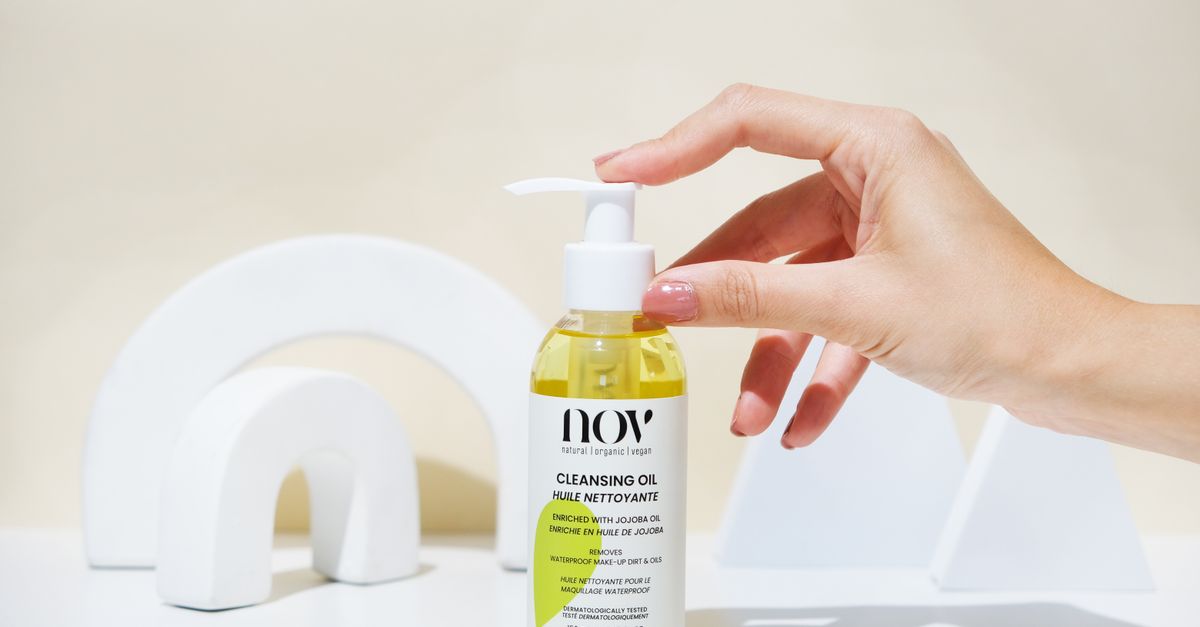
For years, I believed oil cleansing was a magic bullet. The promise was alluring: effortlessly dissolve makeup, impurities, and even excess sebum without stripping the skin. But for far too many, myself included in the early days, the reality was a disheartening cycle of clogged pores, new breakouts, and a general feeling that their skin was actually getting worse. It felt counter-intuitive – how could using oil to clean oil lead to more oil-related problems?
I’ve seen countless clients in my practice abandon oil cleansing altogether, convinced it wasn’t for them, or worse, that their skin was simply ‘too oily’ or ‘too sensitive’ for it. The truth, however, is rarely about your skin type being incompatible. More often, it’s about fundamental misunderstandings and a series of common, yet critical, mistakes in application and product choice that turn what should be a beneficial step into a breakout factory. If you’ve been struggling with oil cleansing, feeling like it’s a constant battle against new blemishes rather than a path to clear skin, this article is for you. I’m going to pull back the curtain on why this popular method often fails and what you need to change to finally unlock its benefits.
Key Takeaways
- Most oil cleansing breakouts stem from improper emulsification and insufficient rinsing, not the oil itself.
- Using a true oil cleanser specifically formulated for facial cleansing is crucial; kitchen oils often lack necessary emulsifiers and can be comedogenic.
- The ‘first cleanse’ in a double cleansing routine should meticulously remove all impurities, while the ‘second cleanse’ focuses on skin treatment.
- Over-massaging or neglecting to properly remove the oil-based cleanser can push impurities deeper into pores.
The Fundamental Flaw: Not All Oils Are Created Equal (Or Cleanse Equally)
One of the most pervasive myths about oil cleansing is that any oil will do. I’ve seen people recommend everything from olive oil and coconut oil to grapeseed oil and sunflower oil straight from the pantry. While some of these might feel pleasant on the skin initially, they are fundamentally different from properly formulated oil cleansers, and this distinction is the bedrock of many breakout issues.
Here’s the critical difference: a well-formulated oil cleanser contains emulsifiers. These are ingredients that allow the oil to mix with water. When you add water to an emulsifying oil cleanser, it transforms into a milky, rinseable emulsion. This is essential for effectively lifting away the oil, makeup, and debris it has dissolved from your skin. Without emulsifiers, a pure oil (like that from your kitchen) will simply sit on top of your skin, resist rinsing with water, and require excessive wiping or a harsh secondary cleanser to remove. This leaves behind a stubborn film, trapping impurities, blocking pores, and creating the perfect breeding ground for acne bacteria.
I’ve seen clients come in with cystic acne after weeks of religiously using straight coconut oil to ‘cleanse.’ Coconut oil, in particular, is highly comedogenic for many individuals, meaning it’s very likely to clog pores. Even less comedogenic kitchen oils, without emulsifiers, contribute to film formation. The mistake isn’t using oil; it’s using the wrong kind of oil in a way that inherently sabotages the cleansing process.
What to do instead: Always opt for an oil cleanser or cleansing balm specifically designed for facial use. These products are formulated with non-comedogenic oils, beneficial skin ingredients, and, most importantly, the necessary emulsifiers to ensure a clean rinse without residue. Look for ingredients like polysorbate 20, PEG-7 glyceryl cocoate, or sucrose laurate, which indicate proper emulsifying ability.
The Under-Emulsification Epidemic: Why You’re Not Rinsing Properly
Even with a correctly formulated oil cleanser, the next major hurdle I observe is inadequate emulsification and rinsing. This is where the magic (or disaster) happens. Many people apply the oil, massage it in, and then immediately splash water on their face, hoping it will all magically disappear. It won’t.
Proper emulsification is a process, not an instantaneous event. After massaging the oil cleanser onto dry skin for about 60 seconds (to thoroughly dissolve makeup and impurities), you need to introduce water gradually. My method, which has rescued countless routines, is this:
- Wet your hands: Get your hands slightly damp, then lightly cup them and press them onto your oil-cleansed face.
- Massage gently: Gently massage your face again. You’ll feel the oil cleanser begin to transform into a milky emulsion. This is the emulsifiers at work, binding the oil to water.
- Repeat (if necessary): For heavier makeup or particularly stubborn formulas, you might need to repeat step 1 and 2 once or twice more, adding a small amount of water each time, until the entire face feels thoroughly emulsified and milky, not greasy.
- Rinse thoroughly: ONLY THEN should you begin to rinse your face with lukewarm water, making sure every trace of the milky emulsion is gone. Think of it like rinsing shampoo from your hair – you wouldn’t just splash once and call it a day. Take your time, ensuring no slippery residue remains.
The consequence of under-emulsification is straightforward: if the oil cleanser doesn’t properly emulsify, it won’t rinse cleanly. This leaves behind a thin, invisible film of un-emulsified oil and dissolved debris on your skin. This residue is a prime culprit for clogging pores, trapping bacteria, and leading to breakouts. It’s the equivalent of cleaning a greasy pan by just wiping it with a paper towel; you need water and a proper cleanser to lift and remove the grease entirely.
The Double Cleansing Misconception: Your First Step Isn’t Enough
Oil cleansing is almost universally recommended as the first step in a double cleansing routine. Yet, a significant number of people either skip the second cleanse entirely or use a second cleanser that isn’t up to the task. This is a critical error.
The purpose of the oil cleanse (the ‘first cleanse’) is to dissolve oil-based impurities: makeup, sunscreen, excess sebum, and environmental pollutants. Its job is not necessarily to cleanse the skin thoroughly in the traditional sense, but to break down and lift these stubborn substances. If you stop here, you’re leaving behind a mix of your oil cleanser’s ingredients, dissolved makeup, and dirt on your skin. Even with perfect emulsification and rinsing, some residue can remain.
The ‘second cleanse’ is where the actual, deep cleansing of your skin takes place. This is where a gentle, water-based cleanser removes any remaining residue from the first cleanse, clears water-soluble impurities like sweat and dead skin cells, and prepares your skin to absorb subsequent treatments. Without a proper second cleanse, you’re essentially leaving your pores partially clogged, inviting breakouts, and preventing your skin from truly breathing.
My recommendation: Pair your oil cleanser with a gentle, pH-balanced, non-foaming water-based cleanser for your second step. Avoid harsh foaming cleansers that strip the skin, as this can ironically trigger more oil production and further disrupt your skin barrier. The second cleanser should leave your skin feeling clean and soft, not tight or ‘squeaky clean.’
Over-Massaging and Its Unintended Consequences
I often see people enthusiastically massaging their oil cleanser into their skin for several minutes, believing that more time equals a deeper clean. While massaging is beneficial for dissolving impurities and can even promote lymphatic drainage, there’s a point of diminishing returns that can actually harm your skin and contribute to breakouts.
Excessive or overly vigorous massaging can do a few things:
- Irritation: Over-manipulating the skin, especially with firm pressure, can cause friction and irritation, particularly for sensitive or acne-prone skin. This irritation can exacerbate existing breakouts or trigger new ones.
- Pushing Debris Deeper: While oil dissolves impurities, continuous, prolonged massaging with un-emulsified oil can, counter-intuitively, push some of that dissolved gunk deeper into your pores, especially if you have enlarged pores or blackheads. The goal is to lift and remove, not to drive further in.
- Spread of Bacteria: If you have active breakouts, excessive massaging can inadvertently spread bacteria from one part of your face to another, leading to new blemishes.
My recommendation is to massage for no longer than 60-90 seconds on dry skin. This is ample time for the oil to do its job of dissolving makeup and impurities. After this, proceed immediately to the emulsification and rinsing steps. Focus on gentle, circular motions, allowing the oil to work its magic without aggressive scrubbing.
The Unseen Culprit: Using Comedogenic Oils in Cleansers
Even if you’re using a dedicated oil cleanser, not all formulations are created equal, and some contain oils that can be problematic for specific skin types, especially those prone to acne. The term ‘non-comedogenic’ is often thrown around, but it’s not a perfectly regulated standard, and individual skin reactions can vary.
Some common oils found in cleansers, while generally good, can be comedogenic for some individuals. For example:
- Mineral Oil: Often unfairly demonized, mineral oil itself is generally non-comedogenic and a very effective occlusive. However, if it’s not properly rinsed, or if it’s trapping other comedogenic ingredients, it can contribute to clogged pores. Its non-emulsifying nature in its pure form is the bigger issue.
- Isopropyl Myristate: This is a common emollient and solvent that can be highly comedogenic for many people, even in small concentrations.
- Certain Plant Oils: While many plant oils are beneficial, some, like soybean oil, wheat germ oil, and even certain fatty alcohol esters, can have a higher comedogenic rating for susceptible individuals. It’s a spectrum, and what clogs one person’s pores might be perfectly fine for another.
What to do: If you’re experiencing persistent breakouts despite following all other steps correctly, meticulously check the ingredient list of your oil cleanser. Research the comedogenic ratings of each oil present. Websites like Acne.org or Paula’s Choice often have comprehensive ingredient analyses. If you suspect an ingredient, try switching to an oil cleanser with a very simple, well-researched, non-comedogenic oil blend (e.g., safflower, sunflower, or jojoba oil, combined with effective emulsifiers). Keep a skincare journal to track new products and any resulting skin changes.
Frequently Asked Questions
Q: Can I use an oil cleanser if I have oily or acne-prone skin?
A: Absolutely, and in my experience, it can be incredibly beneficial. The principle of ‘like dissolves like’ means oil cleansers are excellent at dissolving excess sebum, which is a primary component of acne. The key is to use a properly formulated, non-comedogenic oil cleanser and follow all steps for thorough emulsification and rinsing, always followed by a gentle water-based second cleanse. Many people with oily skin find oil cleansing helps balance their oil production over time.
Q: How often should I oil cleanse?
A: I recommend oil cleansing once a day, typically in the evening, as the first step of your double cleanse. This effectively removes makeup, sunscreen, and daily grime accumulated throughout the day. In the morning, a simple water-based cleanse is usually sufficient, unless you feel particularly oily or have applied heavy nighttime treatments.
Q: What’s the best way to patch test a new oil cleanser?
A: Before applying a new oil cleanser to your entire face, patch test it on a small, less visible area, like behind your ear or on a small section of your jawline, for a few days. Pay attention to any redness, itching, or new breakouts. If you’re particularly prone to breakouts, you can also test it on a small section of your forehead or chin for a week to see if it triggers any issues in a higher-risk area.
Q: Do I need a special cloth or tool to remove the oil cleanser?
A: While some people prefer using a warm, damp washcloth to remove their oil cleanser, it’s not strictly necessary if you’re properly emulsifying and rinsing. In fact, aggressive wiping with a cloth can cause unnecessary friction and irritation. If you do use a cloth, opt for a very soft microfiber cloth and use gentle, sweeping motions, ensuring you use a clean cloth every time to avoid reintroducing bacteria to your skin.
Q: My skin feels tight after oil cleansing. Am I doing something wrong?
A: If your skin feels tight or stripped after oil cleansing, it’s a sign that something is off. This could be due to a few reasons: 1) The oil cleanser isn’t properly emulsifying and rinsing, leaving a residue that your second cleanser then has to aggressively remove. 2) Your second cleanser is too harsh and stripping your skin’s natural oils. 3) You’re over-massaging or scrubbing too vigorously. Re-evaluate both your oil cleanser and your second cleanser, ensuring both are gentle and effective, and refine your technique for emulsification and rinsing. Your skin should feel soft and balanced, not tight.
Oil cleansing, when done correctly, can be a transformative step in your skincare routine, leading to clearer, more balanced, and healthier-looking skin. The key is to understand the nuances: choose the right product, master the emulsification process, commit to a thorough second cleanse, and treat your skin gently. By avoiding these common mistakes, you can move past the frustration of breakouts and finally experience the radiant benefits that properly executed oil cleansing truly offers. Start by evaluating your current routine, making one change at a time, and observe how your skin responds – the clarity you’re looking for might be just a few adjustments away.
Written by
Elena Petrova
Skincare Science & Ingredient Deep Dives
A former cosmetic chemist, Elena brings a scientific rigor to ingredient analysis and product formulation.


