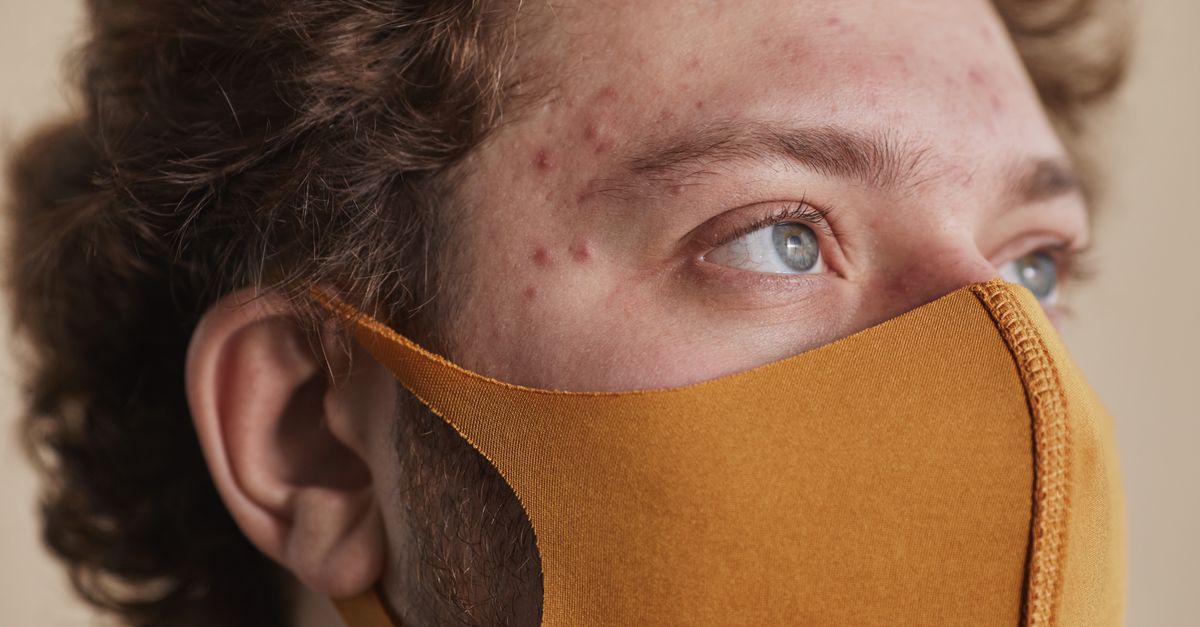
You’ve tried every spot treatment, every salicylic acid wash, every ‘miracle’ serum. You diligently follow a multi-step routine, yet every month, like clockwork, those painful, deep cysts reappear around your jawline, chin, and sometimes even your back. It’s frustrating, isolating, and utterly demoralizing. You scroll through endless forums, feeling like everyone else has figured it out, while your skin stubbornly refuses to cooperate.
I’ve been there. For years, my own skin was a battleground, a testament to the fact that simply throwing more products at the problem wasn’t the answer. The mistake I see most often, and one I made myself for far too long, is treating hormonal acne purely as a surface-level skin issue. While topical treatments have their place, they often act as a band-aid. True, lasting relief from hormonal acne requires a much deeper dive, addressing the internal imbalances that are actually driving those breakouts.
What changed everything for me was shifting my perspective from ‘fixing my skin’ to ‘balancing my body.’ It’s a journey, not a quick fix, but the results—clearer, calmer, more resilient skin—are profoundly worth it. In this article, I’ll share the non-obvious mistakes people make and a comprehensive approach that targets hormonal acne at its root.
Key Takeaways
- Hormonal acne requires a holistic approach, addressing internal imbalances rather than just topical symptoms.
- Relying solely on harsh topical treatments often exacerbates inflammation and delays healing.
- Supporting your liver, gut, and stress response is crucial for managing hormonal fluctuations.
- Strategic dietary changes, like reducing dairy and refined sugars, can significantly impact breakout frequency.
- Incorporating specific supplements and lifestyle adjustments can help regulate androgens and inflammation.
The Problem with the ‘Surface-Level’ Approach: Why Topicals Aren’t Enough
When a new breakout appears, our first instinct is usually to attack it with whatever strong topical we have on hand. Benzoyl peroxide, salicylic acid, retinoids – these are powerful ingredients, and they certainly have their place in a skincare routine. However, the mistake I see most often is over-relying on them, especially when the root cause is hormonal. Imagine trying to fix a leaky pipe in your wall by just patching up the wet spot on the drywall. You might temporarily hide the damage, but the underlying issue will persist and likely worsen.
With hormonal acne, the ‘leak’ is internal. It’s often a complex interplay of androgen dominance, insulin resistance, chronic inflammation, or impaired detoxification pathways. These internal factors stimulate excessive sebum production, create an environment for P. acnes bacteria to thrive, and lead to the deep, cystic lesions characteristic of hormonal breakouts. When we exclusively use strong topicals, we’re only addressing the visible manifestation. We might dry out a pimple, but if the internal hormonal signal is still telling your oil glands to go into overdrive, another one is likely just around the corner.
Furthermore, many common acne treatments can strip the skin’s natural barrier, leading to increased sensitivity, redness, and even more inflammation. This creates a vicious cycle: hormonal imbalance causes breakouts, harsh topicals damage the skin barrier, a damaged barrier makes the skin more reactive and prone to inflammation, which in turn can exacerbate acne. My experience, and that of countless clients I’ve worked with, confirms that a truly effective strategy integrates internal support with a gentle, barrier-respecting external routine.
Unpacking the Hormonal Triggers: More Than Just ‘Estrogen’
The term ‘hormonal acne’ often conjures images of fluctuating estrogen and progesterone, typically around the menstrual cycle. While these definitely play a role, the picture is far more nuanced. The real culprit often lies with androgens – hormones like testosterone and DHEA-S. When these are present in excess, or when your skin is particularly sensitive to their effects, they stimulate your sebaceous glands to produce more oil. This excess sebum, combined with dead skin cells, clogs pores and creates the perfect breeding ground for acne-causing bacteria.
Beyond direct androgen excess, several factors can contribute to their impact:
- Insulin Resistance: This is a big one that many people overlook. When your body’s cells become less responsive to insulin, your pancreas produces more to compensate. High insulin levels can increase androgen production, leading to more oil and more breakouts. This is particularly relevant for those with PCOS (Polycystic Ovary Syndrome), where insulin resistance is a common feature.
- Stress: Chronic stress elevates cortisol. While cortisol itself isn’t a direct cause of acne, it can indirectly influence hormones by disrupting the delicate balance of the hypothalamic-pituitary-adrenal (HPA) axis, which in turn can affect androgen levels and exacerbate inflammation.
- Impaired Liver Detoxification: Your liver is responsible for metabolizing and eliminating excess hormones, including androgens and estrogen metabolites. If your liver isn’t functioning optimally, these hormones can recirculate, contributing to hormonal imbalance and skin issues. Think of your liver as the body’s natural filter; if the filter is clogged, toxins and excess hormones build up.
- Gut Dysbiosis: An unhealthy gut microbiome can also impact hormone balance. Certain gut bacteria are involved in metabolizing estrogens (the ‘estrobolome’). If this balance is off, it can lead to reabsorption of estrogen, further throwing off your hormonal symphony and contributing to inflammation.
Understanding these underlying triggers is the first step toward crafting a truly effective strategy. It’s about looking beyond the surface and identifying which internal systems need support.
Strategic Dietary Shifts: What to Cut, What to Embrace
What you put into your body has a profound impact on your hormones and inflammation, directly influencing your skin. This isn’t about restrictive diets; it’s about making informed choices that support your internal balance. In my experience, two dietary culprits stand out for many with hormonal acne:
- Dairy: This is often the first thing I suggest clients consider reducing or eliminating. Dairy products, especially skim milk, contain hormones (including androgens and IGF-1, or insulin-like growth factor 1) that can mimic or stimulate our own hormones, leading to increased sebum production and inflammation. Many people report a significant reduction in cystic acne within weeks of cutting out dairy. It’s not just about lactose intolerance; it’s about the hormonal content. Try a 4-6 week dairy-free challenge and observe your skin. You might be surprised.
- Refined Sugars and High Glycemic Load Foods: Foods that cause a rapid spike in blood sugar (white bread, sugary drinks, pastries, most processed snacks) trigger a surge in insulin. As discussed, elevated insulin can increase androgen production and overall inflammation, creating a perfect storm for breakouts. Focus on whole, unprocessed foods, lean proteins, healthy fats, and plenty of fiber-rich vegetables to stabilize blood sugar. This isn’t just good for your skin; it’s good for your overall health and energy levels.
Beyond these two, consider incorporating anti-inflammatory foods. Omega-3 fatty acids (found in fatty fish like salmon, flaxseeds, chia seeds) help reduce systemic inflammation. Antioxidant-rich fruits and vegetables (berries, leafy greens) protect cells from damage. Incorporating fermented foods (kimchi, sauerkraut) can support gut health, which, as we’ve learned, also plays a role in hormone metabolism.
The Power of Targeted Supplements and Lifestyle Adjustments
Dietary changes are foundational, but for many, strategic supplementation and lifestyle adjustments provide that crucial extra support to rebalance hormones and reduce acne. This is where personalized approaches shine, and working with a healthcare professional is always recommended for guidance.
Here are some of the most impactful strategies I’ve found:
- Zinc: This essential mineral has anti-inflammatory properties, can help regulate sebum production, and supports immune function. Many people with acne are found to be zinc deficient. A typical dose might be 30-50mg per day, but always consult a doctor.
- DIM (Diindolylmethane): Found naturally in cruciferous vegetables like broccoli and cauliflower, DIM helps the liver metabolize estrogen more efficiently, promoting a healthier estrogen balance. It supports the detoxification of ‘bad’ estrogens that can contribute to hormonal issues.
- Spearmint Tea: Several studies have shown that drinking spearmint tea (typically 2 cups a day) can have anti-androgenic effects, helping to reduce free testosterone levels. It’s a gentle, natural approach that many find beneficial for calming hormonal breakouts.
- Omega-3 Fatty Acids: Beyond diet, supplementing with a high-quality fish oil can significantly reduce systemic inflammation, which is a key driver of severe, cystic acne. Look for a supplement with a high EPA content.
- Probiotics: Supporting a healthy gut microbiome with a broad-spectrum probiotic can aid in detoxifying hormones and reducing overall inflammation. Choose a probiotic with diverse strains.
- Stress Management: This is often overlooked but profoundly important. Chronic stress keeps cortisol levels elevated, which can indirectly worsen hormonal acne. Incorporate daily stress-reduction techniques like meditation, yoga, deep breathing exercises, spending time in nature, or simply dedicating time to hobbies you love. Even 15-20 minutes a day can make a tangible difference.
- Prioritize Sleep: Poor sleep disrupts hormonal balance, including cortisol and insulin sensitivity. Aim for 7-9 hours of quality sleep per night to allow your body to repair and regulate.
It’s not about taking every supplement under the sun, but rather identifying which areas need the most support for your individual body. Start with one or two, observe the changes, and adjust as needed.
Rethinking Your Skincare Routine: Gentle is Gold
While the internal work is paramount, your external skincare routine plays a vital supporting role. The biggest mistake people make when dealing with hormonal acne is over-stripping and irritating their skin with harsh products. When your skin barrier is compromised, it becomes more vulnerable to inflammation and infection, paradoxically making acne worse.
My recommendation is to simplify and be gentle:
- Cleansing: Use a mild, hydrating cleanser twice a day. Avoid harsh foaming cleansers that leave your skin feeling ‘squeaky clean’ – that feeling means you’ve stripped your natural oils. Look for ingredients like ceramides, hyaluronic acid, and glycerin.
- Targeted Actives (Used Wisely): Instead of slathering on multiple harsh actives, choose one or two that address your specific concerns and use them strategically. Retinoids (like Tretinoin or a good quality retinol) are excellent for regulating cell turnover and reducing inflammation over time. Salicylic acid can be effective for clearing pores, but consider it as a spot treatment or in a once-daily serum, not an all-over wash. Benzoyl peroxide can be helpful for active pustules, but use it sparingly and at lower concentrations to avoid excessive dryness.
- Hydration is Non-Negotiable: Even oily or acne-prone skin needs hydration. A lightweight, non-comedogenic moisturizer helps repair the skin barrier and prevent it from overcompensating by producing more oil. Look for ingredients like hyaluronic acid, niacinamide, and ceramides.
- Sun Protection: Hormonal acne can leave hyperpigmentation (dark spots) which is worsened by sun exposure. A broad-spectrum SPF 30+ daily is essential, even on cloudy days.
- Avoid Picking: I know, easier said than done. But picking introduces bacteria, causes more inflammation, and almost guarantees scarring. If you must, use hydrocolloid patches to protect and help heal active breakouts.
Remember, consistency and patience are key. Skincare changes take time to show results, often 4-6 weeks for topical treatments and even longer for internal adjustments. The goal is to create a calm, balanced environment for your skin, not to aggressively attack every pimple.
The Long Game: Patience and Consistency for Lasting Clarity
It’s easy to get discouraged when you don’t see immediate results, especially when dealing with something as persistent as hormonal acne. The truth is, rebalancing hormones and healing your skin is a journey, not a sprint. It takes time – often several months – for your body to adjust to new dietary patterns, supplements, and lifestyle changes. You might experience what feels like a ‘purging’ period initially, or simply slow progress. This is normal.
My advice is to be incredibly patient and consistent with your chosen approach. Don’t jump from one ‘miracle cure’ to another every few weeks. Give each change at least 4-6 weeks to show its effects before evaluating. Keep a skin journal to track your diet, stress levels, menstrual cycle, and breakouts. This can help you identify patterns and understand what truly works for your unique body.
What changed everything for me was accepting that there’s no single magic bullet. It’s the cumulative effect of small, consistent choices that lead to lasting clarity. It’s about cultivating a relationship with your body, listening to its signals, and nurturing it from the inside out. When you align your internal health with a gentle, supportive external routine, that’s when you finally break free from the cycle of hormonal breakouts and achieve the clear, radiant skin you’ve been searching for.
Frequently Asked Questions
How long does it take for hormonal acne to clear up with diet changes?
It varies greatly by individual, but many people report noticing a significant reduction in cystic breakouts within 4-6 weeks of consistent dietary changes, especially cutting out dairy and refined sugars. Full results, however, may take 3-6 months as your body rebalances.
Can stress really cause hormonal acne?
Yes, absolutely. Chronic stress elevates cortisol, which can disrupt the delicate balance of other hormones, including androgens. This indirect effect can increase sebum production and inflammation, making hormonal acne worse or even triggering new breakouts.
Are there any specific skincare ingredients I should avoid if I have hormonal acne?
While individual tolerance varies, generally avoid overly harsh, stripping cleansers (sulfates), physical scrubs that can irritate inflamed skin, and products with excessive fragrance or essential oils if you are sensitive. Focus on gentle, barrier-supporting ingredients.
When should I consider seeing a doctor or dermatologist for hormonal acne?
If over-the-counter treatments and lifestyle changes aren’t yielding results after 3-6 months, or if your acne is severe, painful, or causing scarring, it’s definitely time to consult a dermatologist or an endocrinologist. They can discuss prescription options like spironolactone, oral contraceptives, or more targeted therapies.
Is it possible to completely cure hormonal acne?
While there isn’t a one-size-fits-all ‘cure,’ it is absolutely possible to manage and significantly reduce hormonal acne to achieve lasting clear skin. By addressing the root causes through a holistic approach of diet, lifestyle, and targeted treatments, many people can maintain clear skin without constant breakouts. It often requires ongoing attention and consistency rather than a one-time fix.
Embarking on this holistic journey might feel overwhelming at first, but remember, every small step towards understanding and nurturing your body is a step closer to clear, confident skin. Start with one or two changes that feel manageable, stay consistent, and give your body the time it needs to heal.
Written by
Elena Petrova
Skincare Science & Ingredient Deep Dives
A former cosmetic chemist, Elena brings a scientific rigor to ingredient analysis and product formulation.


